
Advanced Technology That Can Restore Our Natural Resources
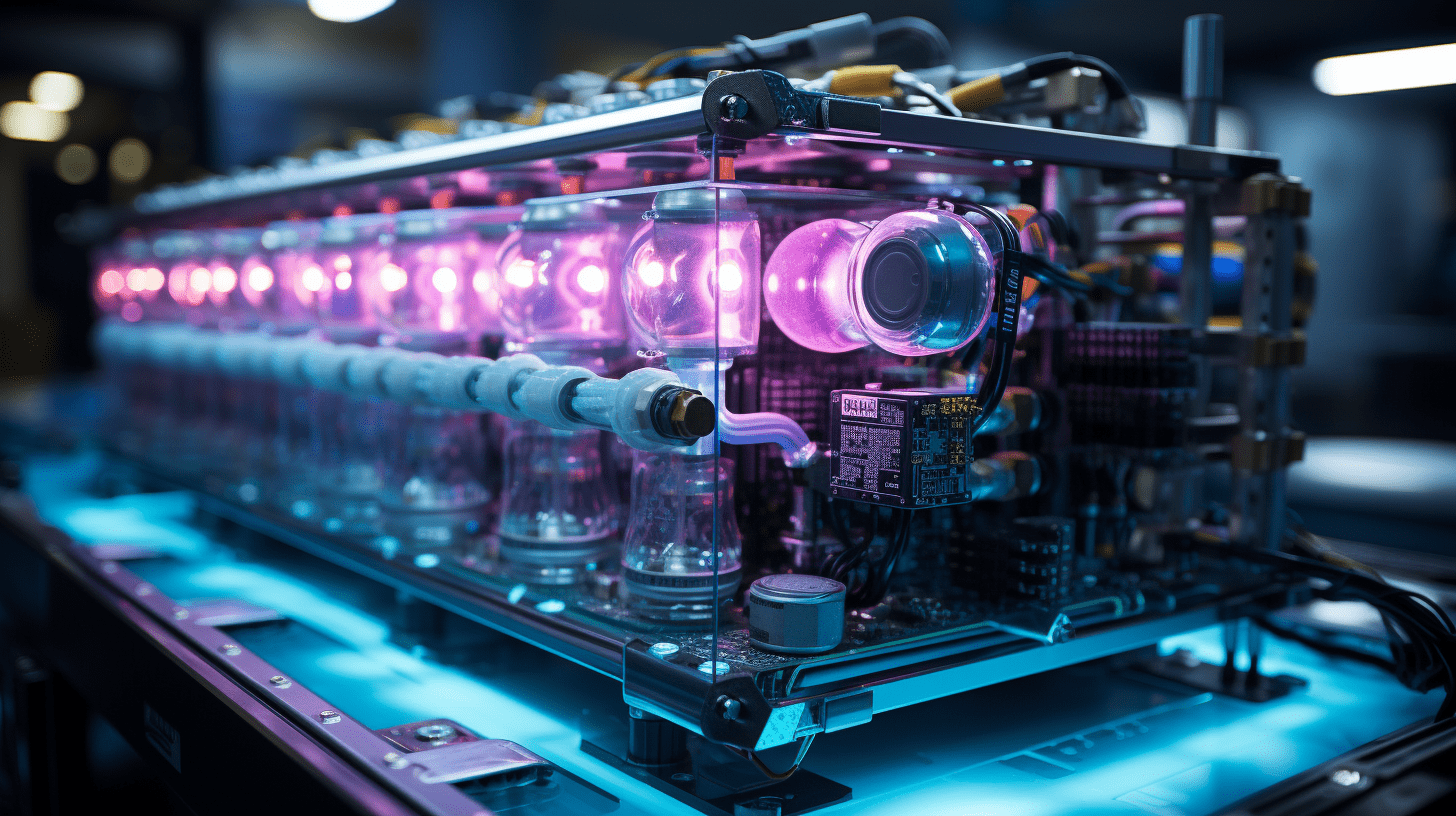
Technology has reached a level of sophistication that allows it to intervene in virtually any system. More efficient equipment, more precise solutions, and scalable models have consolidated entire industries around their development and commercialisation.
This progress has captured the attention of all actors.
Developers, operators, funds, governments, and technology companies converge around the same question: which technology to implement. The conversation is structured around specifications, capabilities, and deployment.
Within this focus, the centre shifts.
Decisions concentrate on the tool, while the way that tool integrates into the system becomes secondary. Technology is adopted for its promise, rather than for its capacity to reorganize the flows where it is deployed.
When these solutions reach specific contexts, the difference becomes evident.
Each territory operates under its own conditions, available resources, operational dynamics, real constraints, which define how the system must function. The ability to adapt becomes decisive.
This is where the logic changes. Selecting technology evolves into an exercise in integration:
open architectures that allow solutions to adjust,
local capabilities that support implementation,
and structures that connect innovation with real operations.
At this point, the challenge is no longer technological. It is one of coordination.
Each actor continues to operate within its own language:
the developer structures,
the operator executes,
the asset owner evaluates,
the technology company scales,
the fund allocates capital,
the government regulates.
The reading remains fragmented.
When that fragmentation is organized, a new layer of value emerges.
VIVEK acts as that point of connection.
It translates between technology, operations, and capital.
It grounds solutions in real contexts.
It structures systems where each component operates coherently.
From this integration, a shared language emerges:
resilience as a service.
An approach where technology shifts from being the end goal to becoming the means to sustain operations, optimize resources, and adapt the system over time.
Under this logic, the restoration of natural resources becomes operational.
Water circulates within the system.
Energy is reused.
Materials are reintegrated.
Technology reaches its highest value when it enables the system to function better with what it already has.
That is where value becomes consistent.
Juan Portilla