
The Waste Potential in Ecological Assets
In regions such as Latin America, these elements create a distinct starting point.
The constant presence of biomass, ambient humidity, wastewater flows, and the accumulation of organic and inorganic residues form a system rich in gradients. Differences in energy, matter, and temperature waiting to be organized.
That is where design begins.
STRUCTURAL WASTE
The system releases heat, moves water with embedded energy, and accumulates materials outside productive cycles.
Residual heat from industrial and digital infrastructure remains available at the source.
Wastewater flows through cities carrying thermal energy and chemical value.
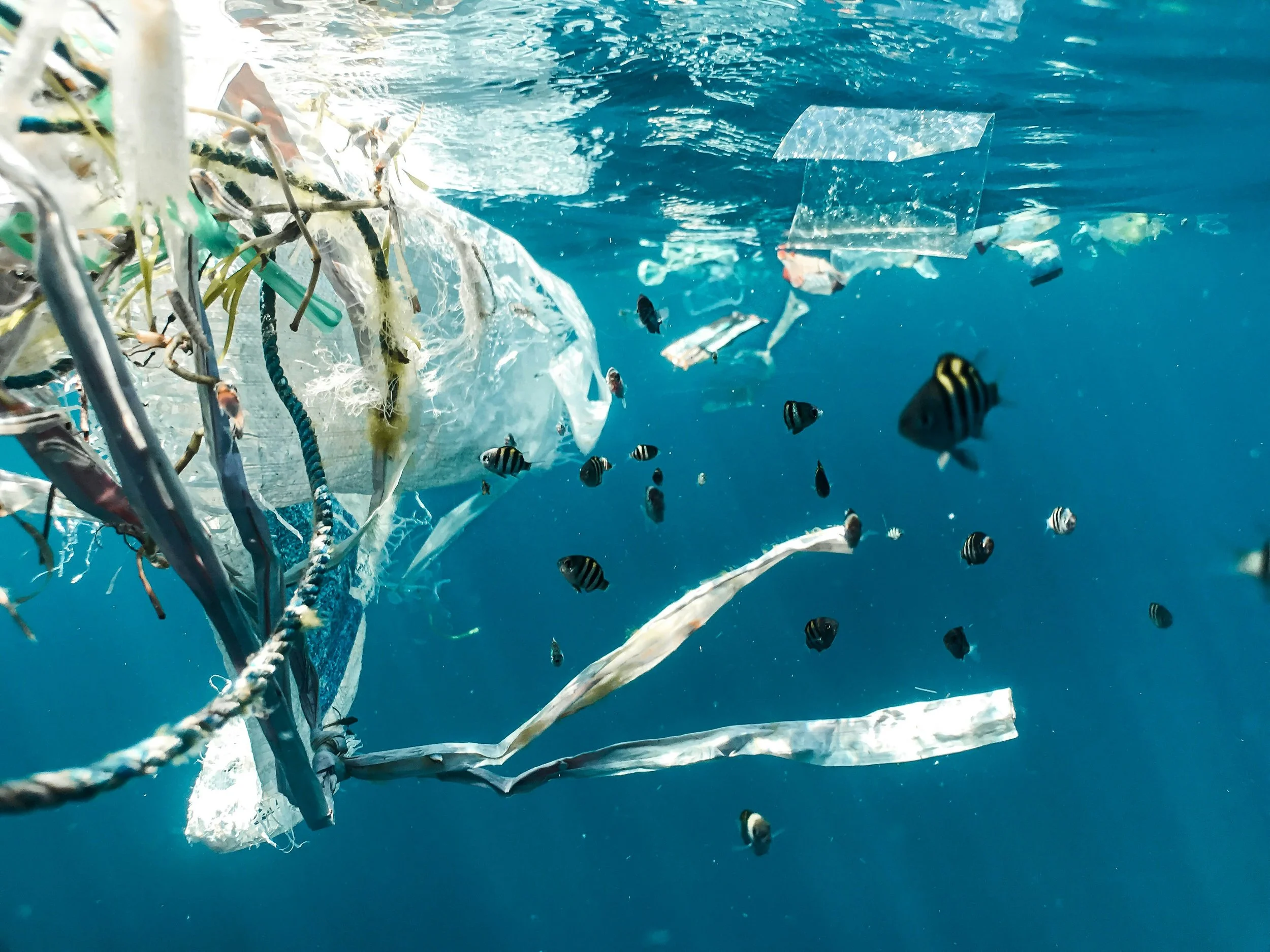
Plastic and organic residues follow linear paths that end outside the economic system.
These flows are already in motion.
Their current state defines a map of opportunity.
AVAILABLE GRADIENTS
Each flow contains an exploitable difference.
Biomass present in agricultural and urban territories enables the structuring of thermal solutions aligned with local processes.
Relative humidity in tropical climates introduces an energy variable capable of transforming how spaces are conditioned.
Residual heat from data centers, industry, and services represents a continuous source of reusable energy.
Water streams carry temperature, nutrients, and integration potential.
The system already holds the resources.
Design defines their direction.
FINANCIAL IMPACT OF INEFFICIENCY
The disconnection of these gradients reduces the system’s ability to generate value.
Energy is produced again instead of being reused.
Materials are replaced instead of reintegrated.
Operations depend on external infrastructure instead of activating local resources.
This pattern increases costs, introduces variability, and limits the stability of financial flows.
At the same time, certain standardized solutions have evolved into replicable models with limited differentiation, where asset structure loses depth and returns compress.
Advantage emerges in systems capable of organizing their own flows.
FROM WASTE TO VALUE
Integration transforms the system.
Residual heat feeds processes and thermal networks.
Wastewater becomes an energy and operational resource.
Biomass structures thermal solutions for production, logistics, and preservation.
Plastic and organic residues are integrated as traceable materials with economic value.
Industrial eco-parks represent this evolution in its clearest form.
From design, operations are interconnected. The flows of one unit feed another, creating interdependent systems where efficiency increases and losses are naturally reduced.
Through ThermoFinances™, these gradients are identified, structured, and converted into assets, enabling their connection to capital and their integration into scalable portfolios.
The result is a more elegant architecture.
Local resources guide design.
Existing flows become structure.
Value emerges with continuity.
Opportunity lies in systems that recognize their territory, organize their gradients, and transform their operation into a continuous source of value.
That is where capital finds direction.
The performance of any energy or productive system is defined by its physical context.
Temperature, humidity, available biomass, water flows, and industrial structure determine how energy moves and how value is built.
In regions such as Latin America, these elements create a distinct starting point.
The constant presence of biomass, ambient humidity, wastewater flows, and the accumulation of organic and inorganic residues form a system rich in gradients. Differences in energy, matter, and temperature waiting to be organized.
That is where design begins.
STRUCTURAL WASTE
The system releases heat, moves water with embedded energy, and accumulates materials outside productive cycles.
Residual heat from industrial and digital infrastructure remains available at the source.
Wastewater flows through cities carrying thermal energy and chemical value.
Plastic and organic residues follow linear paths that end outside the economic system.
These flows are already in motion.
Their current state defines a map of opportunity.
AVAILABLE GRADIENTS
Each flow contains an exploitable difference.
Biomass present in agricultural and urban territories enables the structuring of thermal solutions aligned with local processes.
Relative humidity in tropical climates introduces an energy variable capable of transforming how spaces are conditioned.
Residual heat from data centers, industry, and services represents a continuous source of reusable energy.
Water streams carry temperature, nutrients, and integration potential.
The system already holds the resources.
Design defines their direction.
FINANCIAL IMPACT OF INEFFICIENCY
The disconnection of these gradients reduces the system’s ability to generate value.
Energy is produced again instead of being reused.
Materials are replaced instead of reintegrated.
Operations depend on external infrastructure instead of activating local resources.
This pattern increases costs, introduces variability, and limits the stability of financial flows.
At the same time, certain standardised solutions have evolved into replicable models with limited differentiation, where asset structure loses depth and returns compress.
Advantage emerges in systems capable of organising their own flows.
FROM WASTE TO VALUE
Integration transforms the system.
Residual heat feeds processes and thermal networks.
Wastewater becomes an energy and operational resource.
Biomass structures thermal solutions for production, logistics, and preservation.
Plastic and organic residues are integrated as traceable materials with economic value.
Industrial eco-parks represent this evolution in its clearest form.
From design, operations are interconnected. The flows of one unit feed another, creating interdependent systems where efficiency increases and losses are naturally reduced.
Through ThermoFinances™, these gradients are identified, structured, and converted into assets, enabling their connection to capital and their integration into scalable portfolios.
The result is a more elegant architecture.
Local resources guide design.
Existing flows become structure.
Value emerges with continuity.
Opportunity lies in systems that recognise their territory, organise their gradients, and transform their operation into a continuous source of value.
That is where capital finds direction.
Juan Portilla